Escápese al corazón del Atlas con la decoración bereber, un estilo cálido, simbólico y artesanal que fascina a los amantes de los interiores auténticos.
Aquí, cada fibra, cada tono cuenta un trozo del desierto. En este artículo, sumérjase en la historia del arte amazigh, explore sus materiales emblemáticos como la lana o la arcilla, descubra las piezas imprescindibles —alfombras, cuadros, lámparas— y aprenda a armonizar este universo con su interior moderno.
ORÍGENES Y SIMBOLISMO DEL ARTE BEREBER
Las raíces amazigh: tribus del Medio y Alto Atlas, nomadismo
El arte bereber nació de las civilizaciones amazigh, pueblos libres y nómadas que recorrieron las montañas y llanuras del Magreb durante siglos. Sus creaciones artísticas —alfombras, cerámicas, joyas— reflejan su relación con la naturaleza, su espiritualidad y su profundo vínculo con la tierra. Sus tradiciones, transmitidas oralmente y con las manos, se plasman en objetos cotidianos convertidos en iconos.


La transmisión a través del motivo: rombos protectores, zigzags «camino», cruces «crecimiento»
Los motivos bereberes, mucho más que decorativos, son lenguajes codificados.
CADA MOTIVO ES UNA ORACIÓN, UNA MEMORIA, UNA PROMESA.
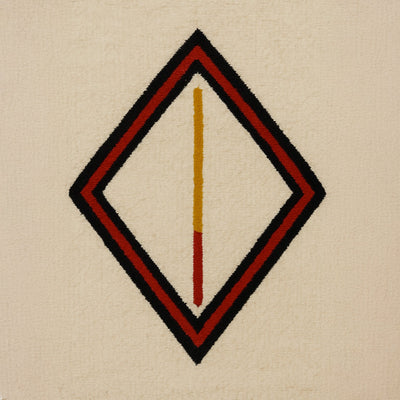
El rombo encarna a la mujer y la fertilidad
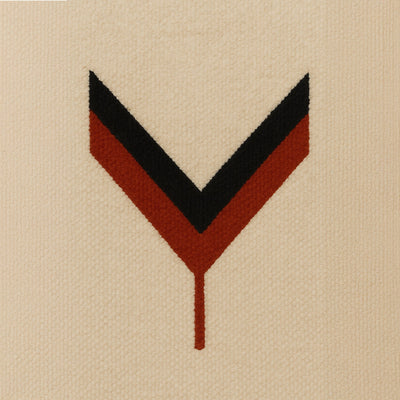
el zigzag evoca los caminos de la vida y de la migración
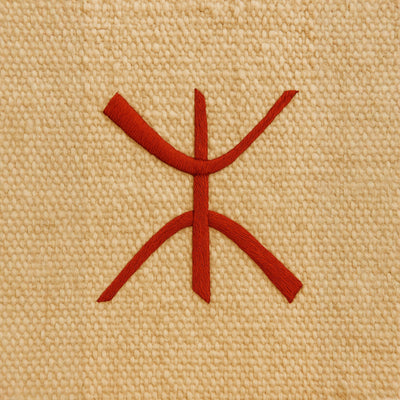
la cruz simboliza el equilibrio y el crecimiento espiritual
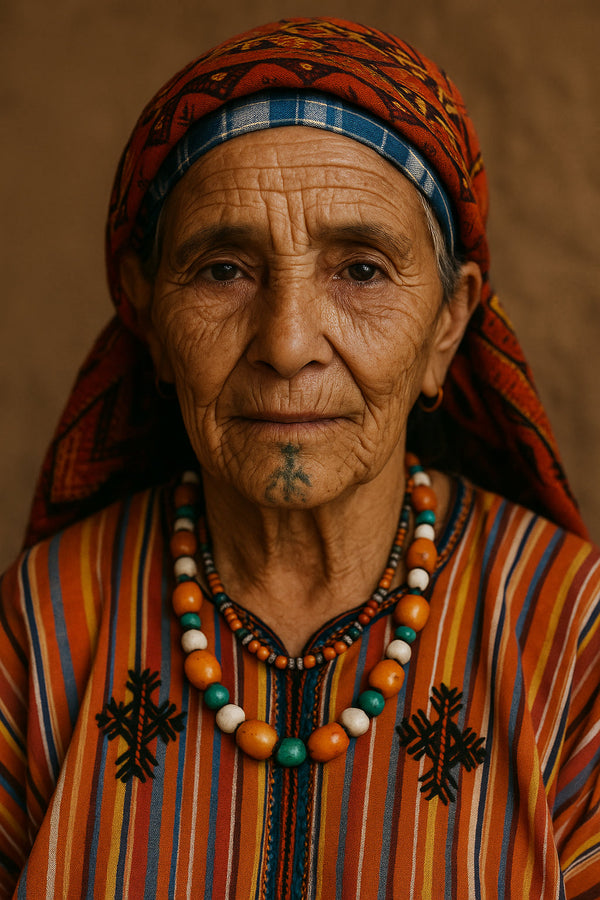
«Ser amazigh no es solo hablar una lengua, es habitar un mundo con el corazón.»
— Tawada Bentayeb, poetisa rifeña
MATERIALES Y TEXTURAS EMBLEMÁTICOS
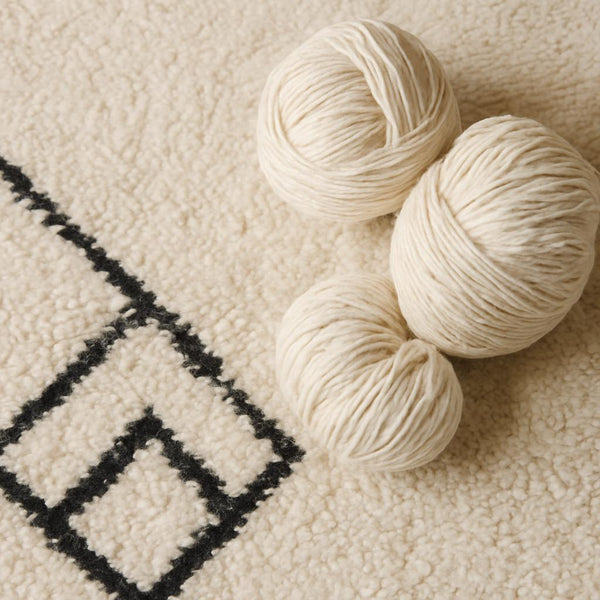
LA LANA NATURAL
Material noble, la lana está en el corazón de los interiores bereberes. Tejida a mano, compone las célebres alfombras Beni Ouarain y Azilal. Suave, aislante y duradera, calienta el espacio a la vez que lo serena.
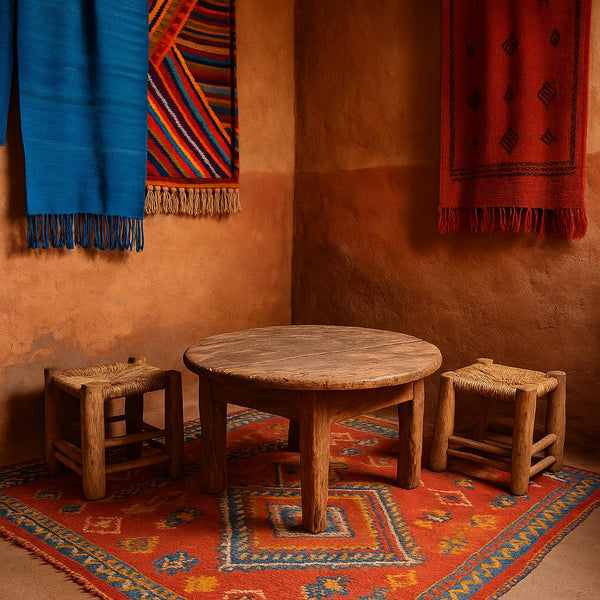
LA MADERA EN BRUTO Y LAS RAÍCES
La madera utilizada en la artesanía bereber es bruta, patinada por el tiempo o quemada para revelar su textura. Taburetes, espejos, estanterías... cada pieza revela el alma del árbol del que proviene.ion ...
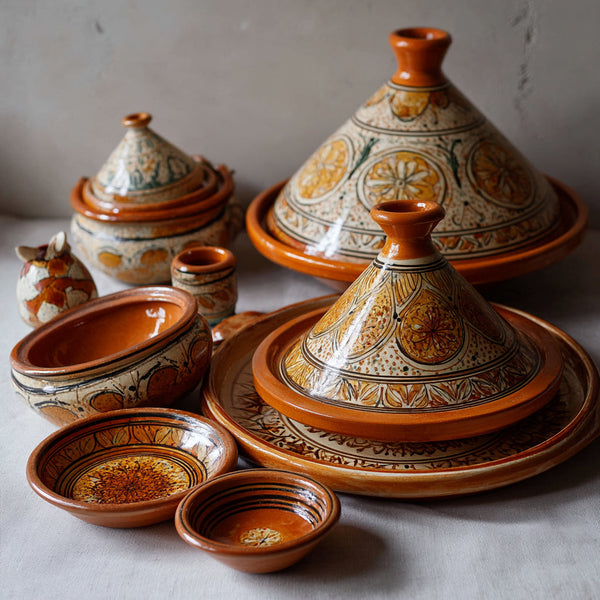
ARCILLA Y CERÁMICA
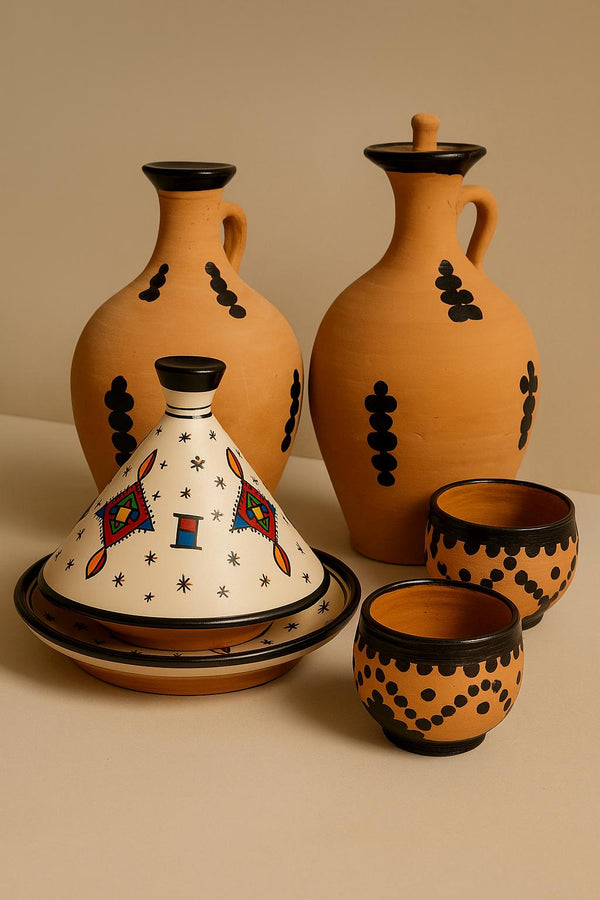
La arcilla se moldea a mano para crear piezas de alfarería utilitarias y decorativas. Las formas irregulares, los esmaltes naturales y los motivos geométricos ofrecen un equilibrio entre rusticidad y poesía.
PALETA DE COLORES
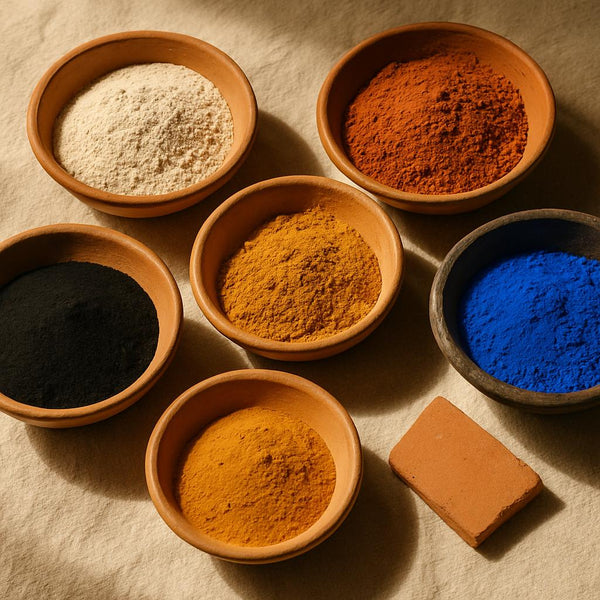
Blanco crudo, negro profundo, terracota, ocre, azul Majorelle: la paleta bereber evoca la tierra, el desierto, los cielos marroquíes. Estos tonos naturales armonizan con los interiores minimalistas o bohemios.
Las piezas imprescindibles


EL ALMA DEL SUELO: ALFOMBRAS BENI OUARAIN Y AZILAL
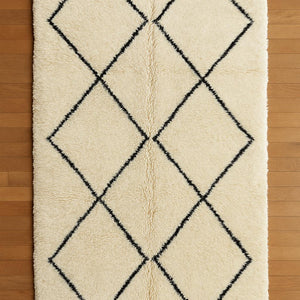
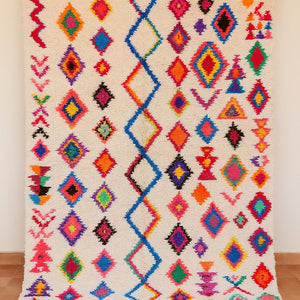
Las alfombras bereberes son mucho más que simples elementos de decoración: son obras vivas, tejidas a mano, que cuentan una historia. La alfombra Beni Ouarain, originaria de las montañas marroquíes, seduce por su estilo minimalista y gráfico: un fondo crema suave recorrido por rombos negros que aportan estructura y elegancia a cualquier interior. En contraste, la alfombra Azilal celebra el color y la audacia. Con sus motivos vibrantes y sus tonos dinámicos, infunde una energía alegre a una habitación infantil o a una entrada bohemia. Juntas, encarnan el equilibrio perfecto entre la sobriedad contemporánea y la exuberancia artesanal.
ALFARERÍA Y CERÁMICA
Desde el plato para tajine hasta la jarra decorativa, la alfarería bereber realza la mesa y las estanterías. Su encanto reside en su imperfección asumida.

CUADROS BEREBERES: EL ARTE MURAL QUE CUENTA EL ATLAS
Más que una decoración, nuestros cuadros bereberes son una inmersión visual en la cultura amazigh. Ante uno de estos rostros estilizados, se siente una mezcla de misterio y fuerza ancestral. Es una presencia silenciosa que vela, que cuenta sin una palabra, y que transforma una pared blanca en memoria viva. Motivos antiguos, colores profundos, miradas enigmáticas: cada cuadro se convierte en un fragmento de historia suspendido. Compre este cuadro, este cuadro aquí
Integrar el estilo bereber en un interior moderno
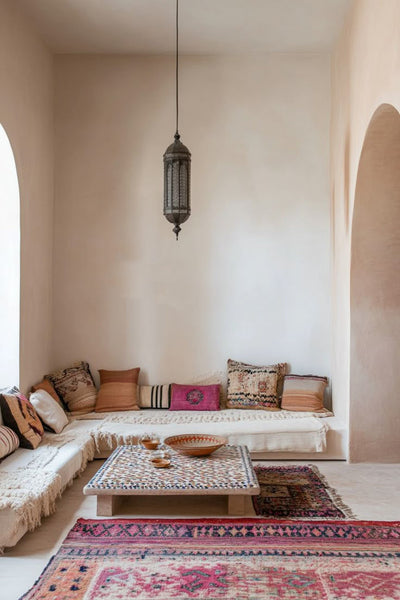
Salón minimalista (alfombra y cuadro)
Opte por una base neutra y añada una alfombra Beni Ouarain y un cuadro bereber XXL para estructurar el espacio. El contraste entre sobriedad y riqueza visual crea un equilibrio inspirador.
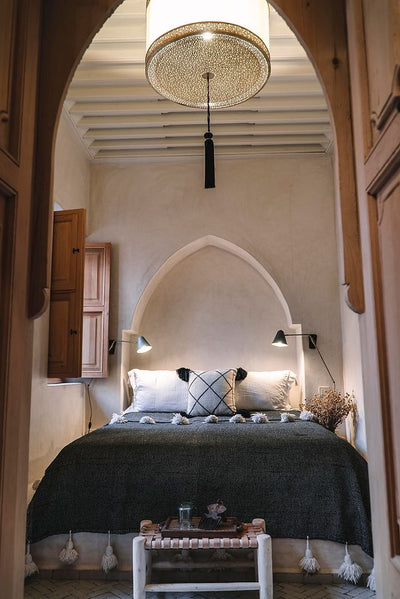
Dormitorio acogedor
Combina materiales naturales y luces suaves: alfombras gruesas, mantas tejidas a mano, lámpara colgante. Aquí el estilo bereber se convierte en un refugio reconfortante.
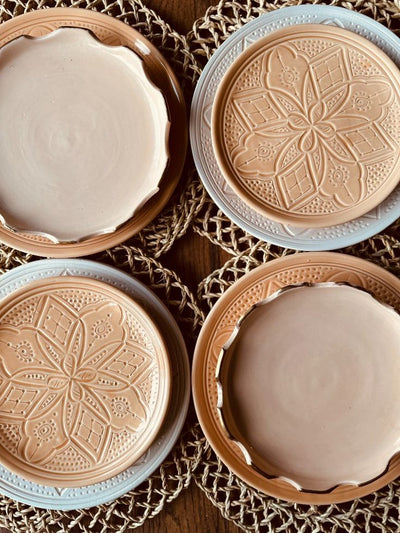
Comedor mix & match
Combina una mesa rústica con sillas de diseño, vajilla bereber y un centro de mesa de cerámica artesanal. El efecto: un contraste lleno de carácter.
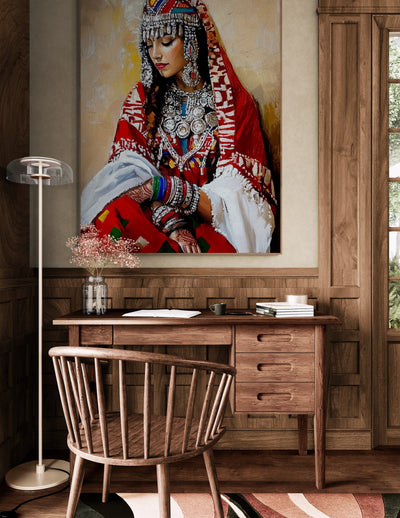
Rincón de trabajo nómada
Minimalista y cálido: alfombra Azilal bajo la silla, estante flotante, taburete de madera en bruto. Ideal para crear un espacio que favorezca la concentración y la evasión.
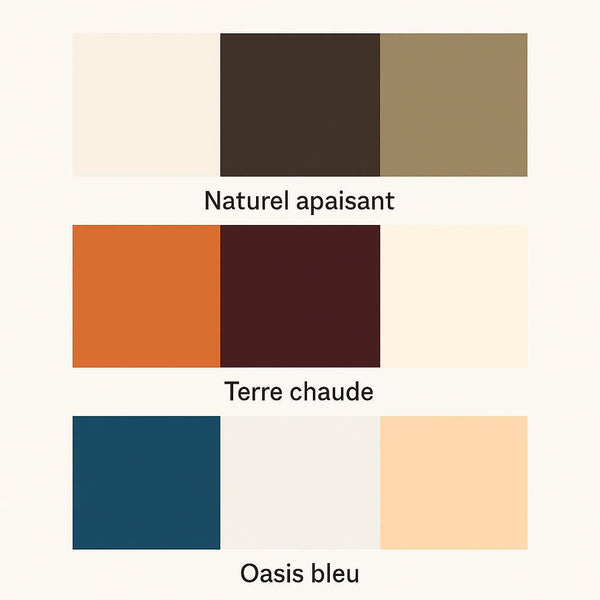
PALETAS LISTAS PARA COPIAR:
Los colores lo cambian todo. Crean el ambiente nada más entrar en una habitación. En la decoración bereber, suelen provenir de la naturaleza: los tonos tierra, el azul del cielo, el blanco de las paredes de cal. Permiten apaciguar, dar calidez o dinamizar un espacio. Bien elegidos, conectan los objetos entre sí y hacen que la habitación sea más armoniosa, sin recargarla.
Preguntas frecuentes
¿Qué define el estilo bereber en decoración?
El estilo bereber se caracteriza por materiales naturales, motivos geométricos simbólicos y una artesanía auténtica. Combina sencillez, calidez y saber hacer tradicional.
¿La decoración bereber se adapta a todos los interiores?
Sí. Ya sea tu interior moderno, rústico o minimalista, algunos elementos bereberes (alfombras, cerámica, cuadros) pueden integrarse fácilmente y aportar carácter.
¿Cuáles son los elementos esenciales para crear un ambiente bereber?
Una alfombra de lana, cerámica artesanal, madera en bruto, algunos cojines con motivos gráficos y tonos naturales son una base excelente.
¿Cómo evitar el total look o el cliché?
Eligiendo algunas piezas con carácter en lugar de coordinarlo todo. Es mejor una bonita alfombra o un cuadro bereber bien colocado que demasiados elementos que recarguen la estancia.
¿Por qué integrar un cuadro bereber en tu decoración?
Un cuadro bereber aporta un toque gráfico, cultural y atemporal. Los motivos cuentan una historia, los colores suelen ser terrosos o contrastados. En MyselfMonart, seleccionamos cuadros y objetos decorativos inspirados en la cultura bereber, en colaboración con artistas y talleres certificados. Cada pieza se elige por su originalidad, su calidad y su arraigo cultural.
¿Qué diferencia hay entre las alfombras Beni Ouarain y Azilal?
La Beni Ouarain es sobria, negro sobre crudo; la Azilal es más colorida, con motivos más libres.
¿Hace falta un gran presupuesto para adoptar este estilo?
No necesariamente. Existen piezas artesanales asequibles. Lo importante es apostar por objetos hechos a mano y duraderos, aunque sea en poca cantidad.
✨ LA PALABRA FINAL
La decoración bereber es mucho más que un estilo: es un arte de vivir entre modernidad y memoria. Cada objeto, cada color, cada motivo se convierte en lenguaje. Al adoptar sus códigos, invitas a tu hogar relatos, gestos y un alma.